The wet season at Limpopo-Lipadi
By: Limpopo-Lipadi | Date: April 30, 2025 | Science
One of the joys of returning to the same spot time and again is that you can see how the environment changes, season to season, and observe life in all its stages. This is what makes it so special to be a part of Limpopo-Lipadi, it brings a true sense of belonging. Co-owner Brittany sat down to share some reflections of her latest stay in the Reserve:
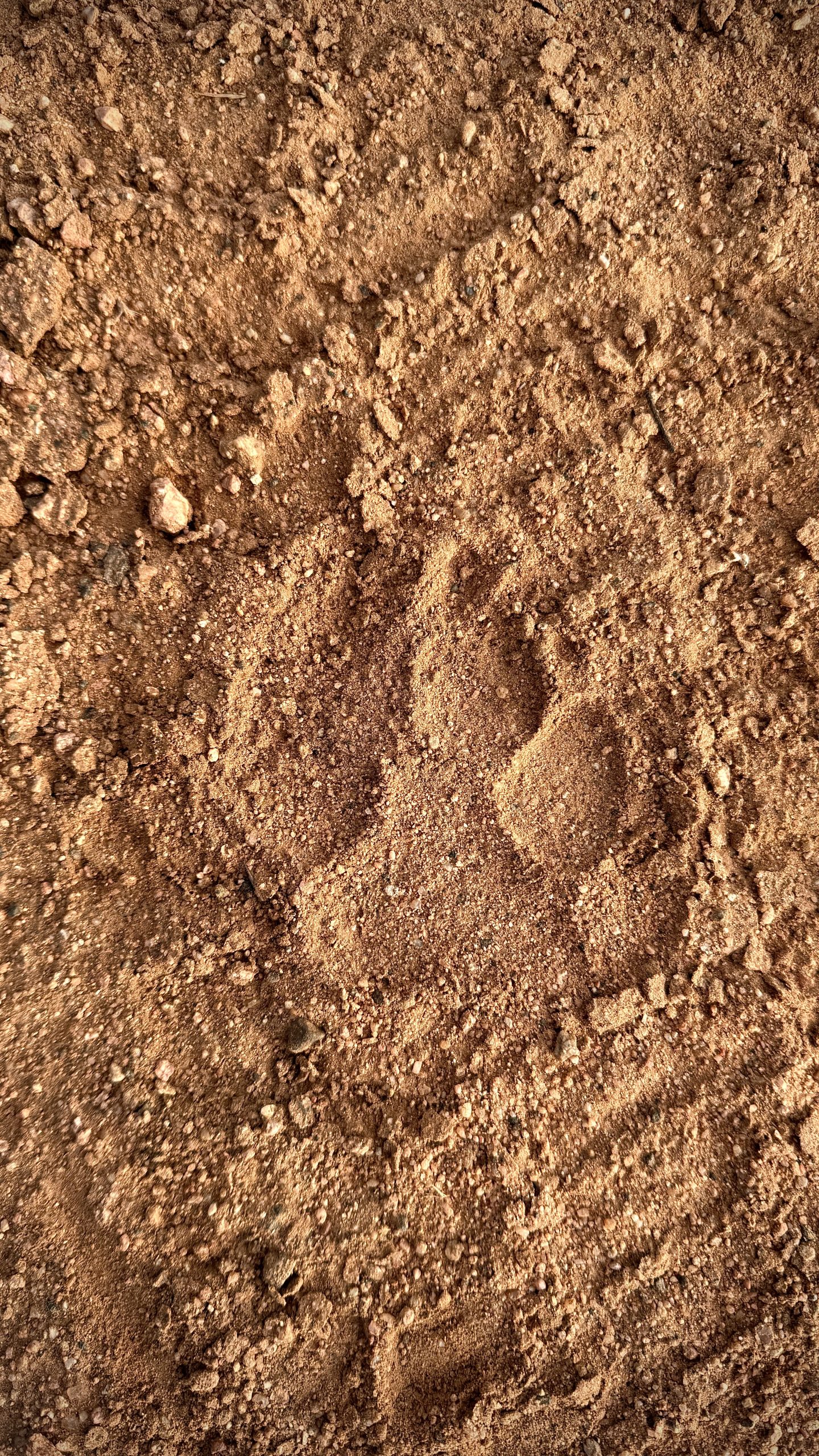
“Whilst safari sightings in the classic sense are made more difficult by the thicker bush, it allows me to shift my focus to other matters. For instance, I greatly enjoy tracking and trailing. During the wet season many of our cats, dogs and hyena seek to avoid the long, wet grass by travelling along the road network, leaving ample sign for me to peruse and study when out on game drives.
Further, this is also an opportunity to observe life in its early stages. We had visited Limpopo-Lipadi in December, just as the grazers were beginning to drop, and now, returning two months later, we could see some of the very same young flourishing. We also had a regular escort on game drives in greater numbers than usual: guineafowl and sandgrouse and their young frequently caused traffic jams on the roads. Often overlooked, it was a pleasure to really scrutinise the young and how they differed in appearance from the adults.
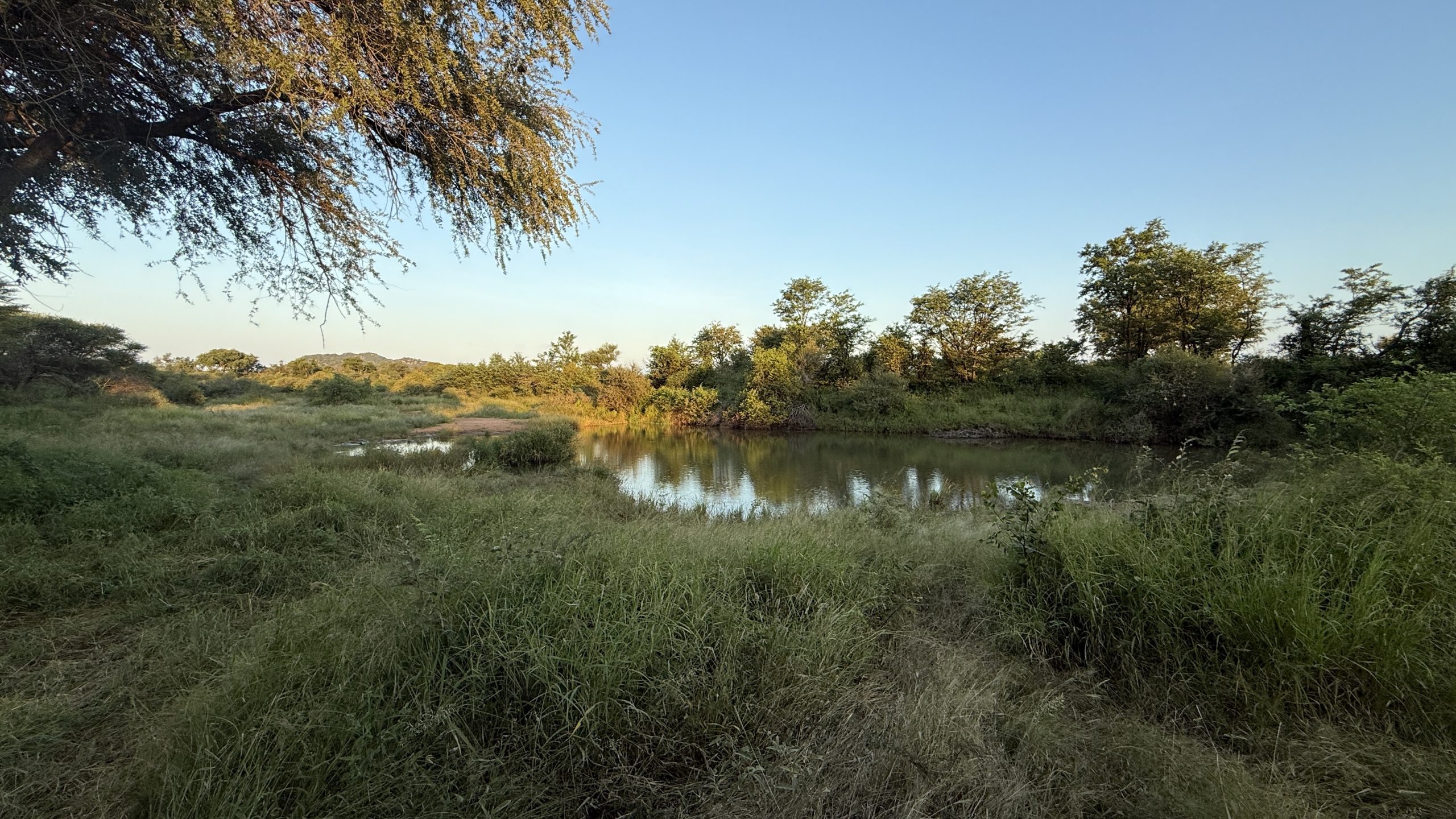
Birding is also something that is pushed to the forefront during the wet season and even during my brief trip of 4 or so days I was able to add another handful of birds to my “lifer” list. I particularly enjoyed heading to a pan in the northern part of the reserve one morning to find dozens of birds and their young: knob-billed ducks, lesser moorhen, greater painted snipe and white-faced whistling ducks, all at one pan. Travelling to the next pan for morning tea, I spent 5 minutes watching a black-winged kite as it dispatched an unlucky lark, feathers floating to the ground. All part of nature, and two ends of the circle of life on view.
It was a pleasure to see our pans and plains carpeted by high-quality grasses, especially when I have seen those same pans and plains affected by drought in previous years. There is considerable enjoyment in seeing a place, and its occupants, change, not just on a seasonal basis, but also across many years as the reserve experiences differing levels of rainfall.”